The Process of Dental Implants: From Bone Grafting to Tooth Replacement
Dental implants provide a long-lasting solution for replacing missing teeth by restoring both oral function and the appearance of the smile. Many patients focus only on the final replacement tooth, but successful integration often begins long before placement. Although treatment timelines vary, every stage plays an important role in creating a stable foundation for a durable, natural-looking restoration. Understanding each step of the process helps patients feel more confident throughout treatment.
Comprehensive evaluation and dental implant treatment planning
Every dental implant journey begins with a detailed examination. The general dentist typically starts by reviewing the patient's medical history, evaluating the condition of the teeth and gums, and using digital imaging to assess the amount and quality of available jawbone. They also consider bite alignment, spacing, and the location of nearby nerves and sinuses. This careful preparation helps create the ideal environment for long-term implant stability while reducing the likelihood of complications later in the process.
Preparing the mouth for implant placement
After the evaluation, the general dentist may decide that some patients require additional treatment before receiving dental implants. This is often the case for patients experiencing active gum disease, untreated tooth decay, or damaged teeth. Additionally, if a tooth remains in place but cannot support a restoration, the dentist may recommend extraction before proceeding with implant treatment. After extraction, the jawbone begins adapting to the missing tooth, often receding. However, for dental implant placement, preserving bone volume is vital for success.
Bone grafting creates a strong foundation
Note that not every patient has enough healthy bone to support an implant immediately. Bone loss commonly occurs after tooth loss because the jaw no longer receives stimulation from the tooth root. When significant bone loss develops, a bone graft may help rebuild the area before implant surgery.
Bone grafting encourages the body to generate new bone in areas where additional support is needed. Healing times vary depending on the size of the graft and each patient's overall health, but allowing adequate time to heal helps create a stronger foundation for the dental implant. This stage requires patience, yet it greatly improves the long-term success of many implant cases.
Dental implant placement
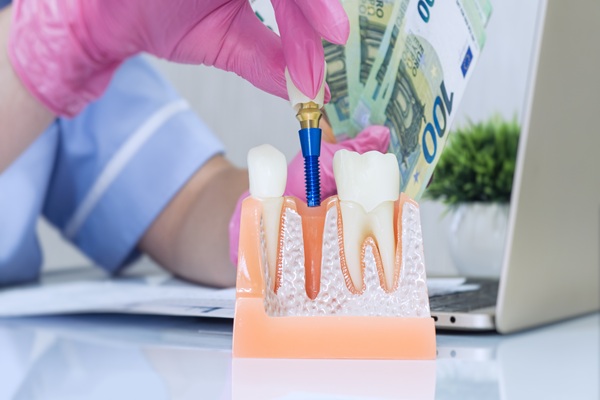
Once the jawbone has sufficient volume, the dentist surgically places the titanium implant into the bone. The dental implant serves as an artificial tooth root that anchors the future restoration. Precise placement allows the implant to support normal chewing forces while maintaining proper alignment with neighboring teeth. Following surgery, the jawbone gradually bonds with the implant through a natural healing process known as osseointegration. This biological connection fuses the bone and the titanium post, allowing the implant to function much like a natural tooth root.
Healing and temporary restoration
Osseointegration continues for several weeks or months. During this time, the dentist monitors progress through routine follow-up visits to ensure the dental implant remains healthy and stable. While the patient heals, the dentist will provide a temporary restoration to protect the area and preserve the appearance of the smile. Successful healing depends on maintaining excellent oral hygiene and following all post-operative instructions. Routine dental visits also allow the dentist to confirm that healing continues as expected before moving to the final stage of treatment.
Placing the custom replacement tooth
After the dental implant fully integrates with the jawbone, the dentist attaches an abutment that connects the implant to the final restoration. Digital impressions or precise molds capture the surrounding teeth and bite relationship so the dental laboratory can create a custom crown that blends naturally with the smile. Note that this portion may take place closer to the end of healing to avoid excessive wait time while the final restoration is being fabricated.
The final restoration matches the size, shape, and color of the surrounding teeth while restoring chewing efficiency and speech. Once secured in place, the completed restoration allows patients to enjoy a stable and natural-looking replacement tooth.
Long-term care for lasting success
Dental implants require regular maintenance to remain healthy for many years. Daily oral hygiene and routine dental examinations help protect the surrounding gums and bone while allowing the dentist to monitor the implant over time. Good habits also reduce the risk of inflammation that could compromise implant stability. While the restoration cannot develop decay, long-term success depends on a combination of professional care and consistent home maintenance. With proper attention, dental implants often provide reliable function and attractive results for many years.
Schedule an appointment
Replacing missing teeth involves more than placing a replacement crown. Every stage, from bone grafting and careful treatment planning to dental implant placement and final restoration, contributes to a healthy, functional, and lasting result. Are you missing one or multiple teeth? Call our office to learn if dental implants are right for you.
Request an appointment here: https://lincolnparkdentist.alluredentalchicago.com or call Allure Dental Chicago at (312) 248-7517 for an appointment in our Chicago office.
Check out what others are saying about our dental services on Yelp: Dental Implants in Chicago, IL.
Related Posts
As a consistent dental provider, a family dentist can monitor a child's oral development as they get older. By closely observing their growth and alignment, the dentist can determine whether the child needs braces to correct dental concerns in their early stages. This proactive treatment helps prevent long-term issues and supports a healthy, confident smile.Once…
Professional teeth whitening is a supportive way for you to refresh your smile and feel more confident. You might notice that your teeth have lost their brightness over time due to the foods you enjoy or simply with age. A general dentist can safely brighten your smile with take-home whitening kits. These tailored kits help…
Visiting a family dentist makes it easier for individuals and families to stay consistent with preventive care. A practice that serves patients of all ages under one roof brings added convenience and comfort to every appointment. By combining comprehensive services with a patient-centered approach, a family dentist supports long-term oral health in a way that…
Denture care is not only recommended but imperative. Dentures, while often associated with older people, are a part of the dentistry field that is growing in popularity. Approximately one-third of all Americans use a dental prosthesis for missing teeth, and this number is expected to continue to rise as more baby boomers age. Dentures don't…


